Ivo Maev
Преди 191 дни•
Публично допитване
How should a society balance between guaranteeing representation of minority groups and ensuring equal, race-neutral treatment under the law—and what criteria should determine when one approach is more just than the other?
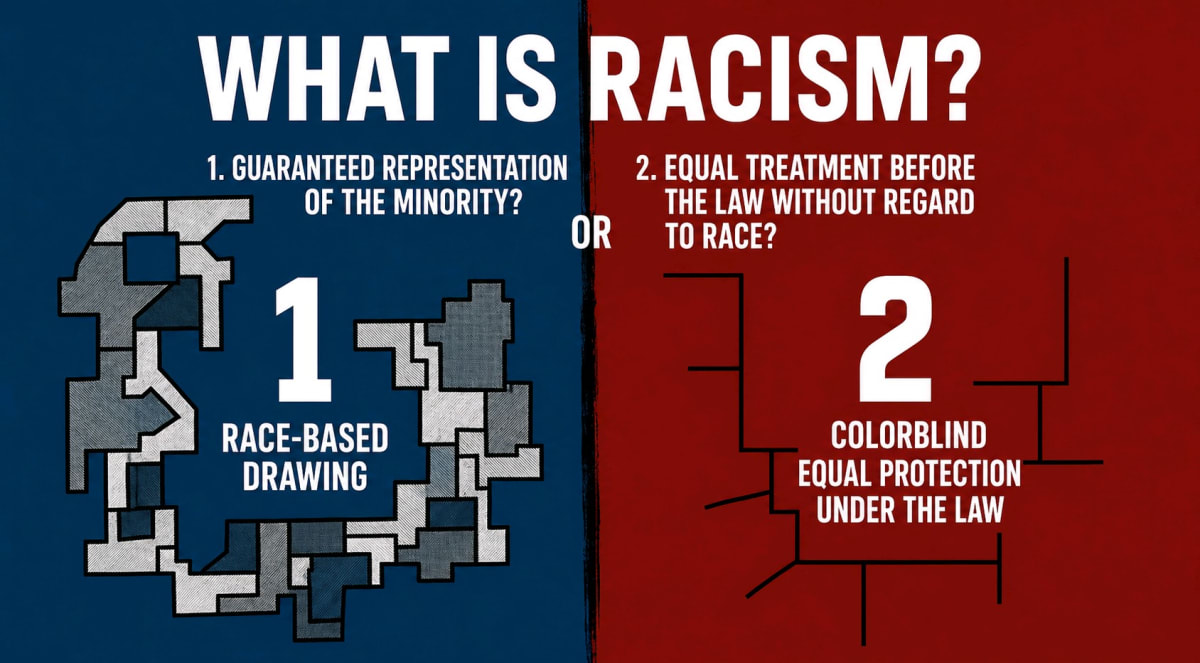
https://texaslawreview.org/race-neutrality-baselines-and-ideological-jujitsu-after-students-for-fair-admissions/https://www.gse.harvard.edu/ideas/usable-knowledge/18/07/case-affirmative-actionhttps://blackprelaw.studentgroups.columbia.edu/news/affirmative-action-colorblindness-legal-and-moral-withdraw-equity-higher-education
Резултати
Други отговори
3@Анонимен потребител 1преди 6 месеца
Diferent people diferent views.
@Анонимен потребител 2преди 6 месеца
#
@Анонимен потребител 3преди 6 месеца
1
Резултати
Други отговори
3@Анонимен потребител 1преди 6 месеца
Diferent people diferent views.
@Анонимен потребител 2преди 6 месеца
#
@Анонимен потребител 3преди 6 месеца
1
3 гласували