Hashtags
Kanäle
Möchtest du die Ergebnisse sehen?
Erstelle ein kostenloses Konto, um die Ergebnisse freizuschalten.
Anonymer Nutzer
D
B
C
A
Möchtest du die Ergebnisse sehen?
Erstelle ein kostenloses Konto, um die Ergebnisse freizuschalten.


Häufige Antworten
Möchtest du die Ergebnisse sehen?
Erstelle ein kostenloses Konto, um die Ergebnisse freizuschalten.
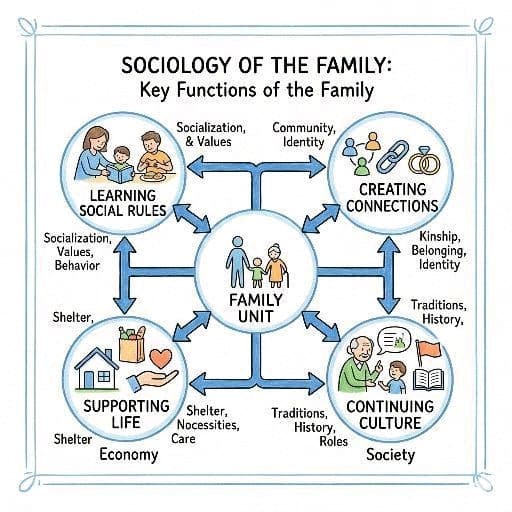
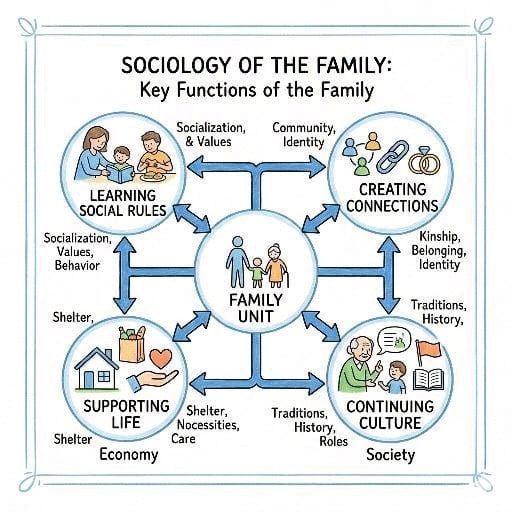
This survey explores how people understand the role of family in shaping civic life. It looks at social rules, identity, belonging, care, traditions, and community connections. The image presents the family as a bridge between private life and wider society. The survey does not assume that one family model is better than another. Instead, it asks respondents how family experiences may influence participation, responsibility, and social trust. The questions are designed for online audiences and encourage quick but meaningful reflection. The results can show how people connect family life with civic attitudes and community engagement, a common theme in civic and community surveys.


Möchtest du die Ergebnisse sehen?
Erstelle ein kostenloses Konto, um die Ergebnisse freizuschalten.
Möchtest du die Ergebnisse sehen?
Erstelle ein kostenloses Konto, um die Ergebnisse freizuschalten.
Möchtest du die Ergebnisse sehen?
Erstelle ein kostenloses Konto, um die Ergebnisse freizuschalten.


Möchtest du die Ergebnisse sehen?
Erstelle ein kostenloses Konto, um die Ergebnisse freizuschalten.


Möchtest du die Ergebnisse sehen?
Erstelle ein kostenloses Konto, um die Ergebnisse freizuschalten.
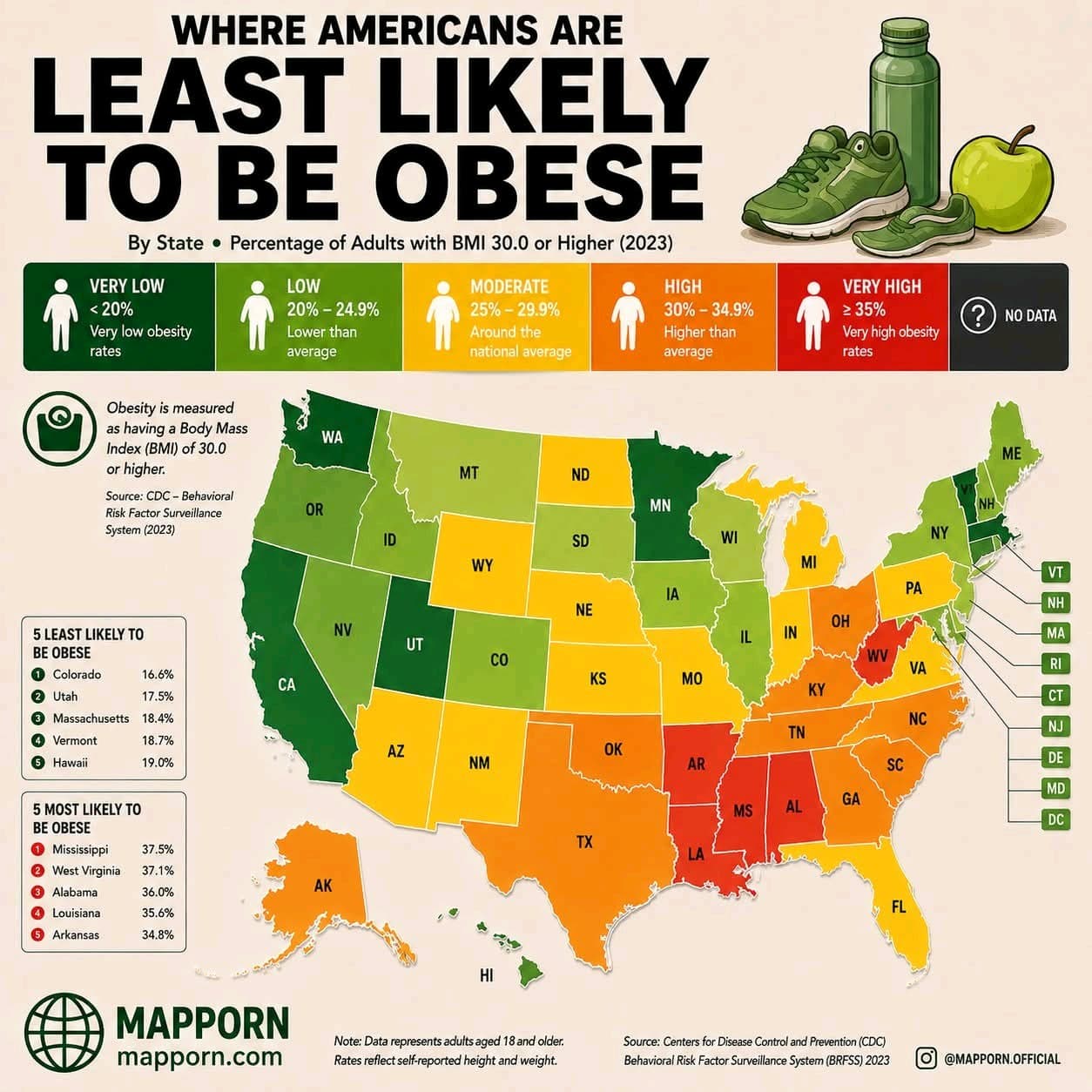
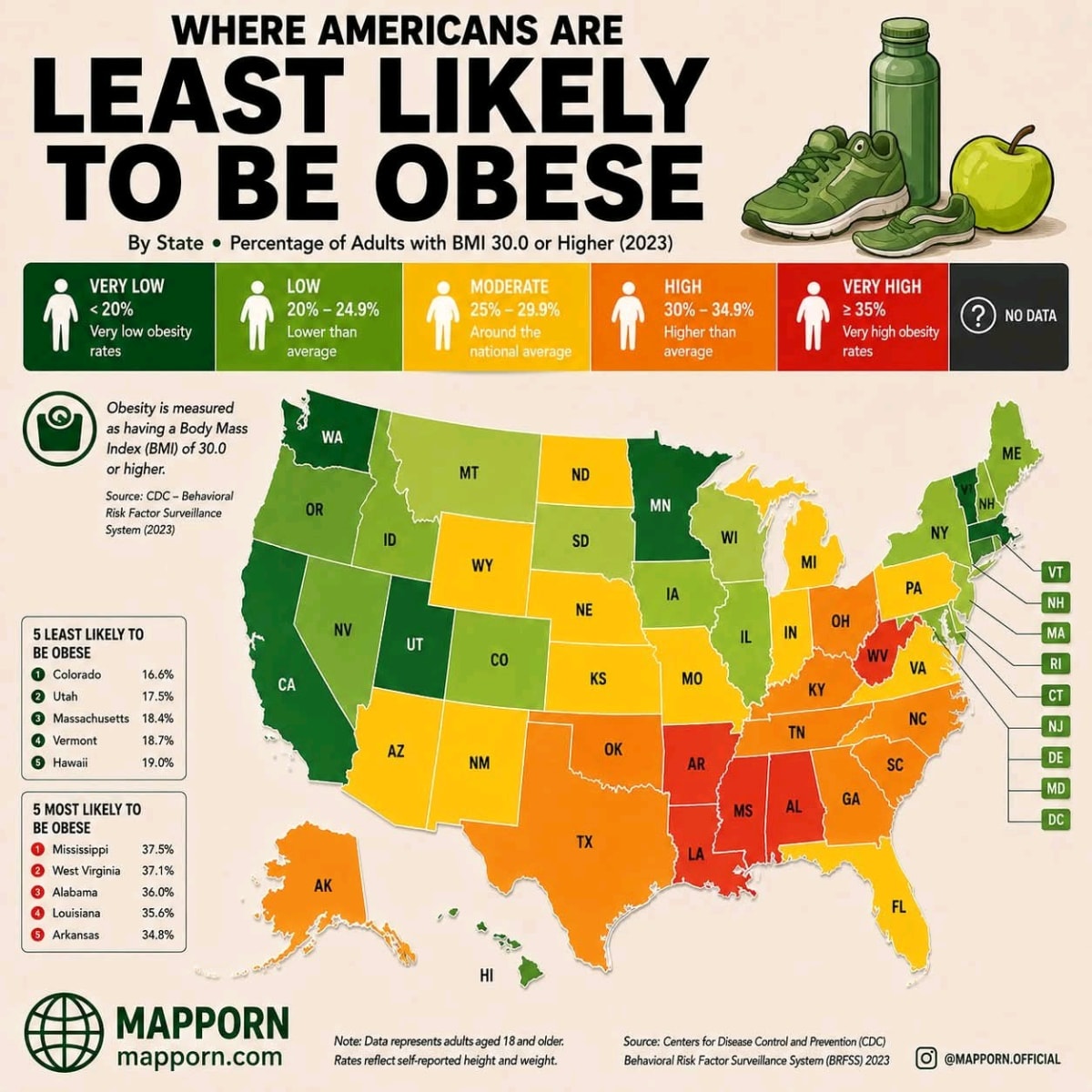
This survey explores public perceptions about obesity, lifestyle habits, and regional health differences across the United States. It is inspired by data showing how obesity rates vary significantly between states and communities. The survey examines how people interpret the relationship between environment, culture, economics, and personal health choices. Participants are invited to reflect on both structural and individual influences on wellbeing. The questions combine multiple choice, ranking, and binary formats to capture a wide range of perspectives and priorities. Rather than focusing only on weight, the survey also explores broader ideas related to quality of life, stress, social habits, and access to resources. The goal is to better understand how people think health outcomes are shaped by everyday surroundings and lifestyle conditions. Responses may also reveal differences in attitudes toward responsibility, prevention, and public health strategies.
Möchtest du die Ergebnisse sehen?
Erstelle ein kostenloses Konto, um die Ergebnisse freizuschalten.
Möchtest du die Ergebnisse sehen?
Erstelle ein kostenloses Konto, um die Ergebnisse freizuschalten.
Möchtest du die Ergebnisse sehen?
Erstelle ein kostenloses Konto, um die Ergebnisse freizuschalten.
Möchtest du die Ergebnisse sehen?
Erstelle ein kostenloses Konto, um die Ergebnisse freizuschalten.
Möchtest du die Ergebnisse sehen?
Erstelle ein kostenloses Konto, um die Ergebnisse freizuschalten.
Möchtest du die Ergebnisse sehen?
Erstelle ein kostenloses Konto, um die Ergebnisse freizuschalten.
Möchtest du die Ergebnisse sehen?
Erstelle ein kostenloses Konto, um die Ergebnisse freizuschalten.
Möchtest du die Ergebnisse sehen?
Erstelle ein kostenloses Konto, um die Ergebnisse freizuschalten.

Anonymer Nutzer



Möchtest du die Ergebnisse sehen?
Erstelle ein kostenloses Konto, um die Ergebnisse freizuschalten.
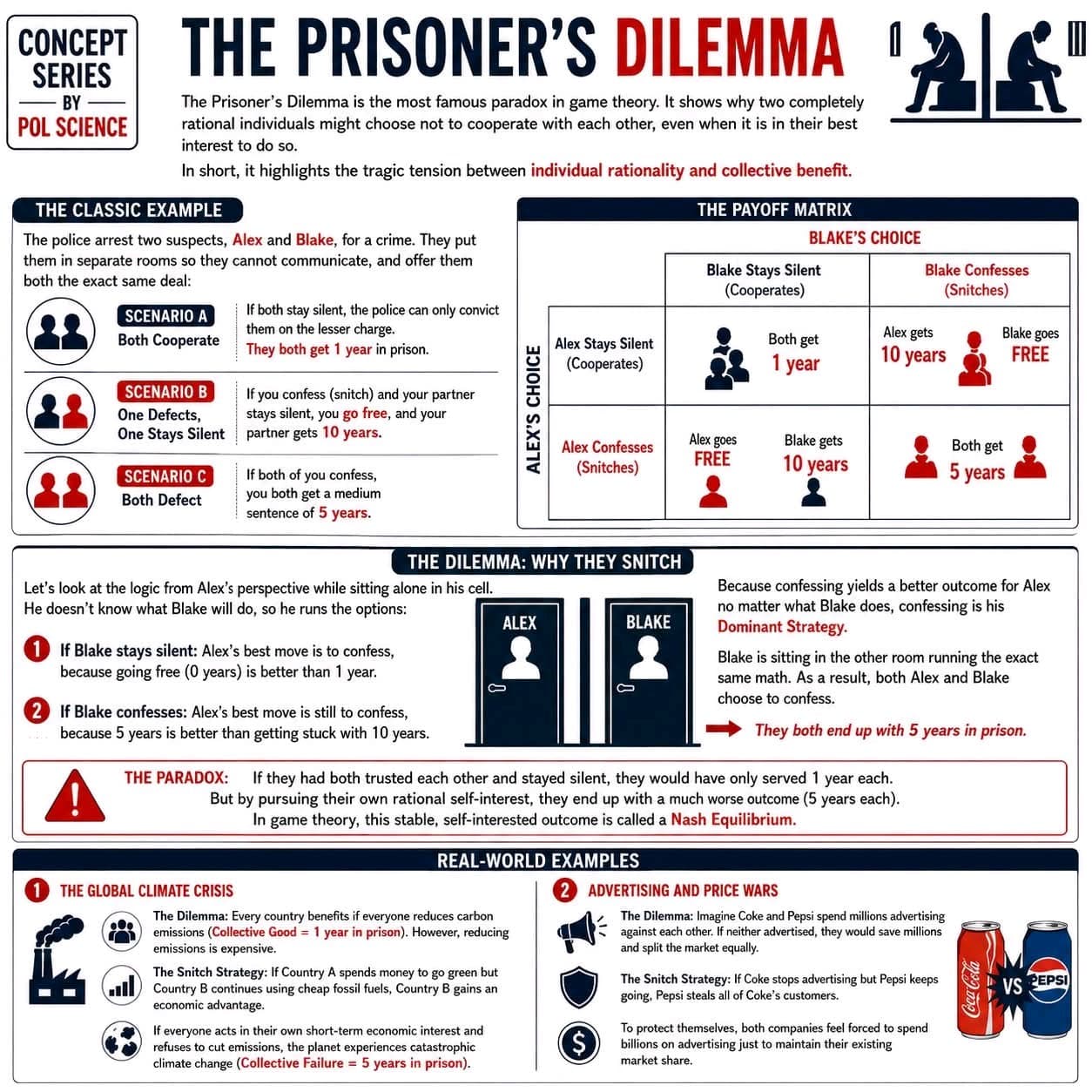
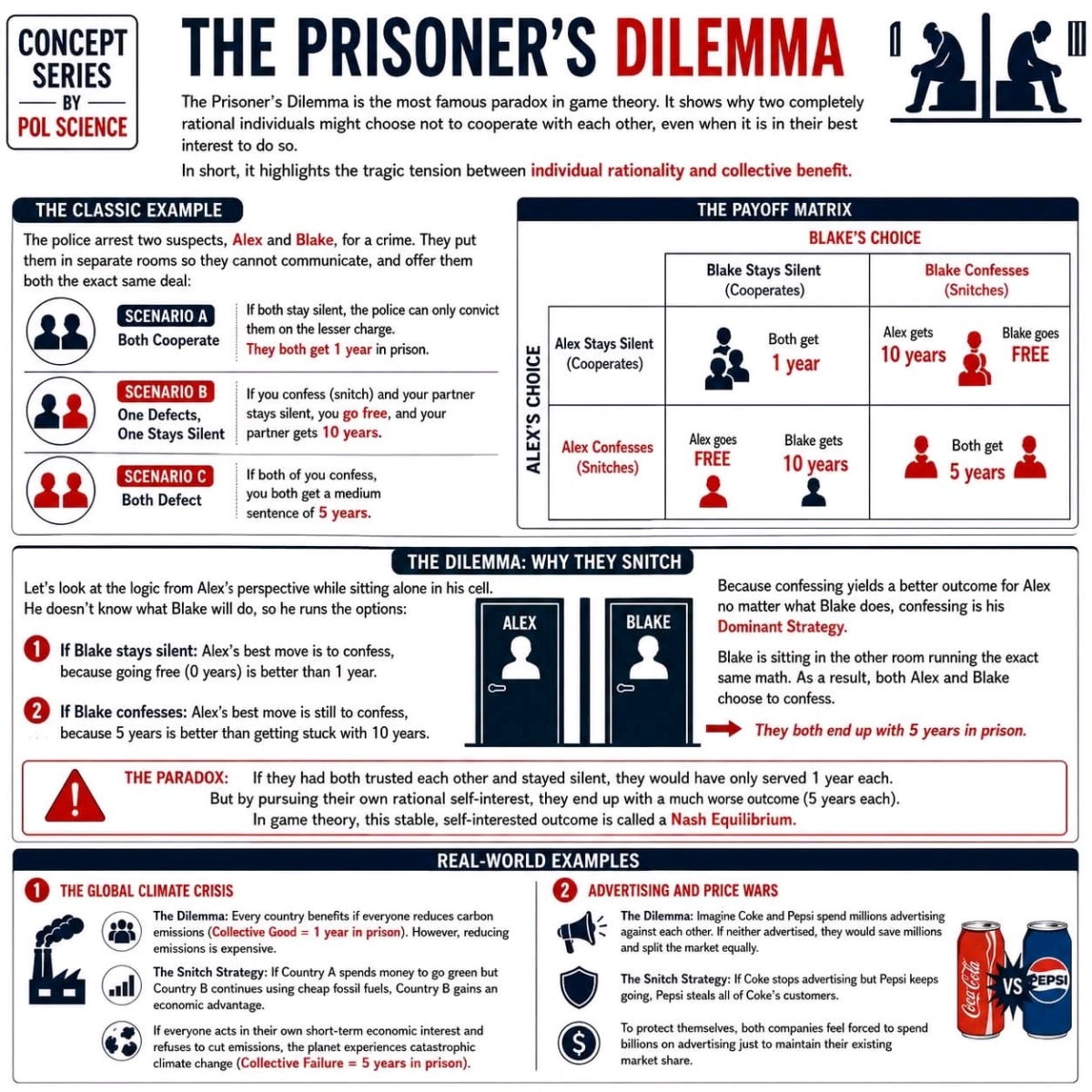
The Prisoner’s Dilemma explores how people make decisions when personal benefit conflicts with trust, loyalty, or collective success. In everyday life, similar situations appear in friendships, workplaces, politics, relationships, and online communities. People often face moments where cooperation could help everyone, but self-protection may feel safer or more rewarding. This survey examines how individuals think about trust, risk, fairness, and strategic behaviour under uncertainty. Rather than testing intelligence or morality, the questions explore emotional instincts and social reasoning in difficult situations. The goal is to understand how different personalities approach cooperation, competition, and responsibility when outcomes depend on other people’s choices.