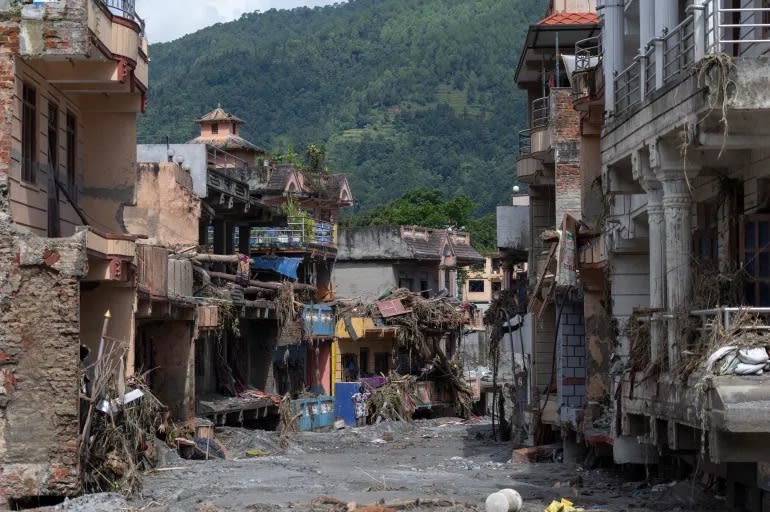
On August 26, 2026, a massive collapse involving ice, rock, and soil generated a destructive flood through the Himalayan river system near the Nepal–Tibet border. Hundreds of people have been confirmed dead, thousands remain missing, and communities, roads, bridges, border facilities, and hydropower projects have been devastated.
Preliminary scientific analysis indicates that the initial collapse developed with extraordinary speed. Unlike a conventional rain-driven flood, it may not have produced the signals monitored by traditional rainfall and river-warning systems. Experts say people closest to the collapse may have had only minutes—or less—to escape.
However, the wider danger was not unknown. The risks associated with retreating glaciers, unstable mountain slopes, glacial floods, landslides, and rapidly expanding infrastructure in the Himalayas have been documented for years. Scientists and international organizations have repeatedly recommended many measures.