ハッシュタグ
チャンネル


結果を確認しますか?
無料アカウントを作成して、結果をアンロックしましょう。
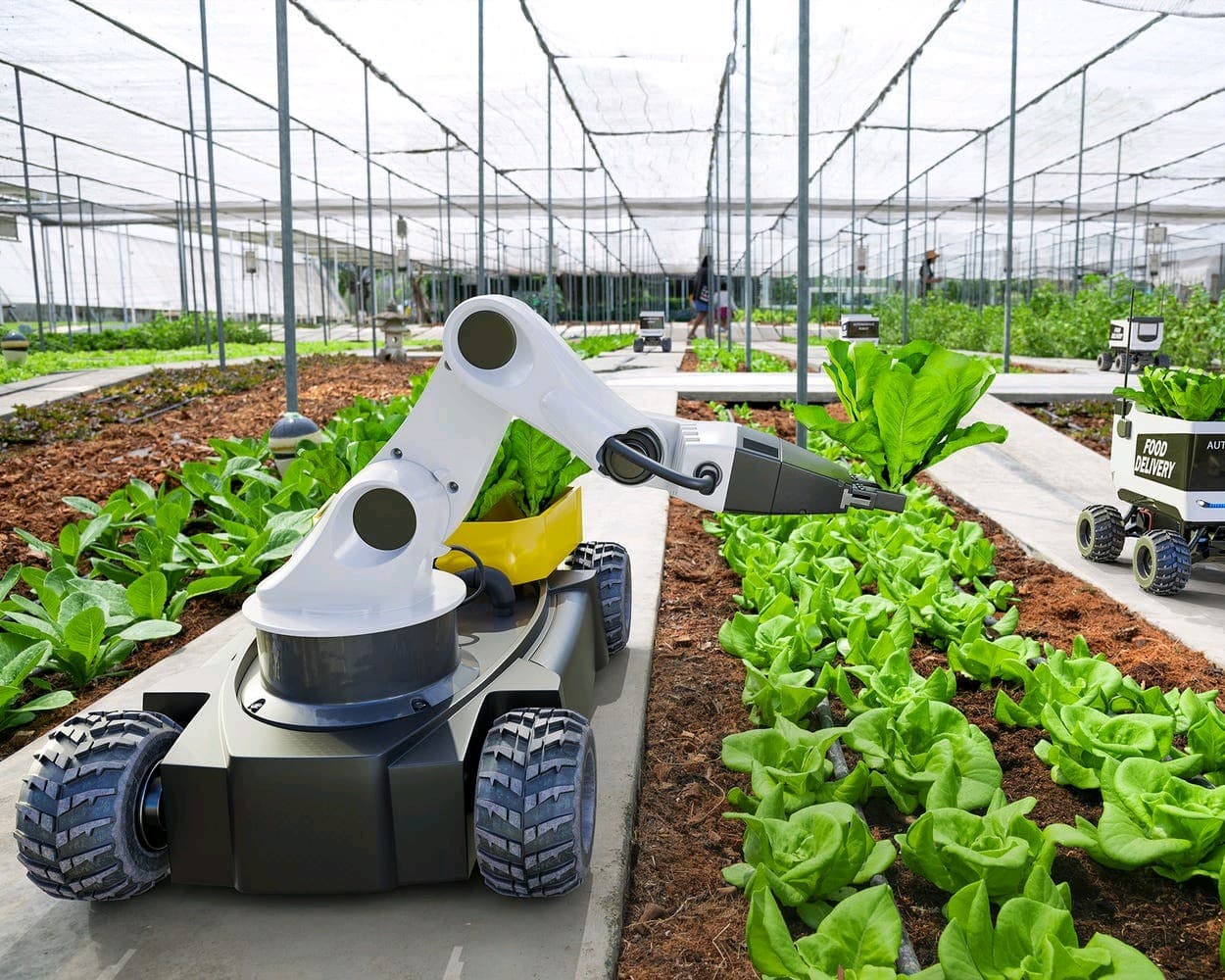
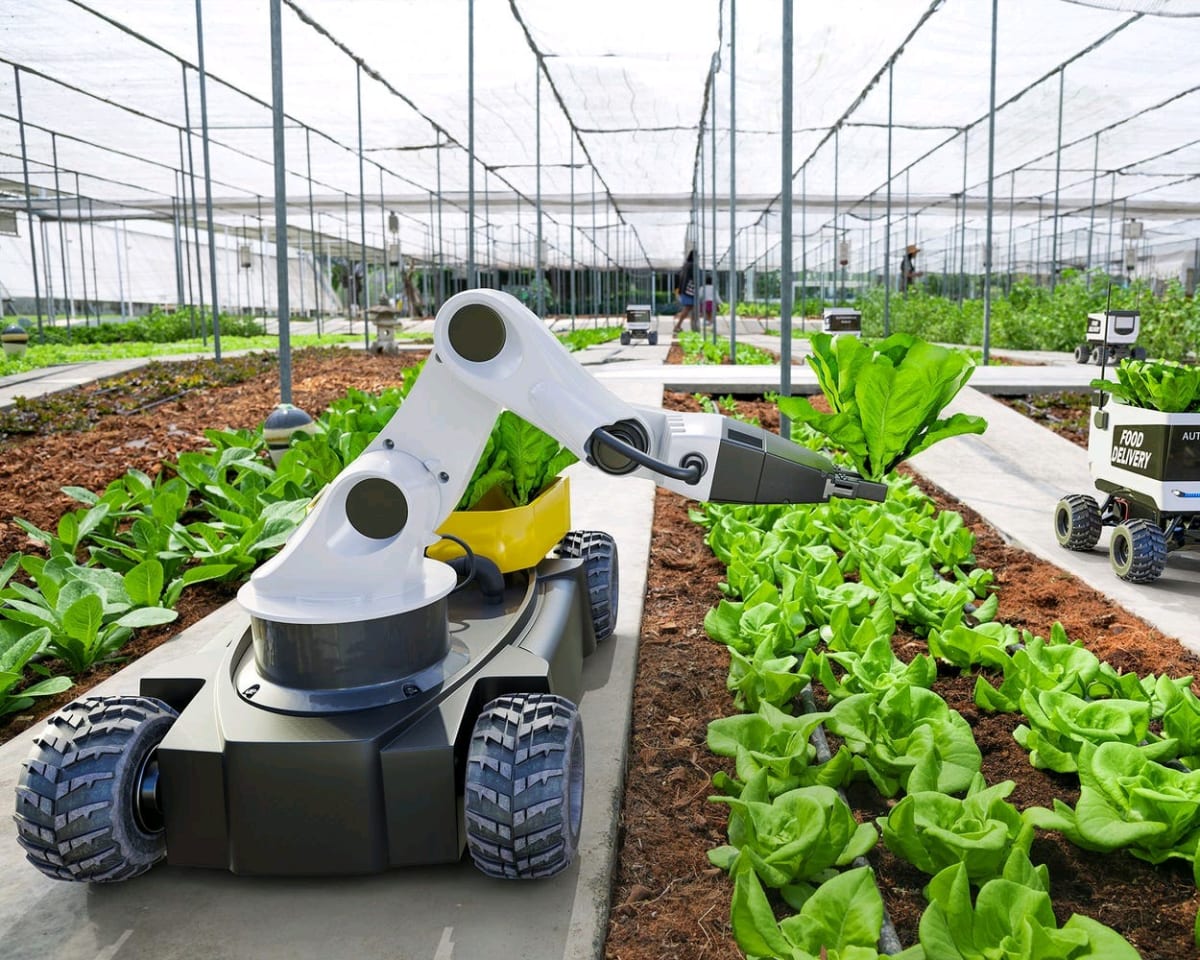
Water management
Sustainable practices
Local food systems
Precision agriculture
Genetic crops
Global trade dynamics
Automation/robots
結果を確認しますか?
無料アカウントを作成して、結果をアンロックしましょう。
匿名ユーザー
結果を確認しますか?
無料アカウントを作成して、結果をアンロックしましょう。

匿名ユーザー

Deep space telecopes
Space tourism
Asteroid mining
Planetary defence systems
Moon explpration
Mars missions
Satelite networks
結果を確認しますか?
無料アカウントを作成して、結果をアンロックしましょう。


結果を確認しますか?
無料アカウントを作成して、結果をアンロックしましょう。


The Middle East is a region experiencing rapid geopolitical, economic, and social transformation. Emerging technologies, shifting alliances, and demographic changes are shaping its near future. Energy transitions, particularly the move toward renewable resources, are redefining regional economies. At the same time, ongoing conflicts and diplomatic efforts continue to influence stability and cooperation. Urbanization and innovation hubs are expanding, creating new opportunities and challenges. Public perception of the region’s trajectory varies widely across different populations. This survey explores how individuals perceive the near future of the Middle East from multiple analytical perspectives.


Entertainment / fun
Studying
Writing (texts, emails, ideas)
Work
Problem-solving
Learning new things
結果を確認しますか?
無料アカウントを作成して、結果をアンロックしましょう。
結果を確認しますか?
無料アカウントを作成して、結果をアンロックしましょう。
結果を確認しますか?
無料アカウントを作成して、結果をアンロックしましょう。
結果を確認しますか?
無料アカウントを作成して、結果をアンロックしましょう。
結果を確認しますか?
無料アカウントを作成して、結果をアンロックしましょう。


結果を確認しますか?
無料アカウントを作成して、結果をアンロックしましょう。


A few times a week
Rarely (a few times a month
Multiple times a day
Never
結果を確認しますか?
無料アカウントを作成して、結果をアンロックしましょう。
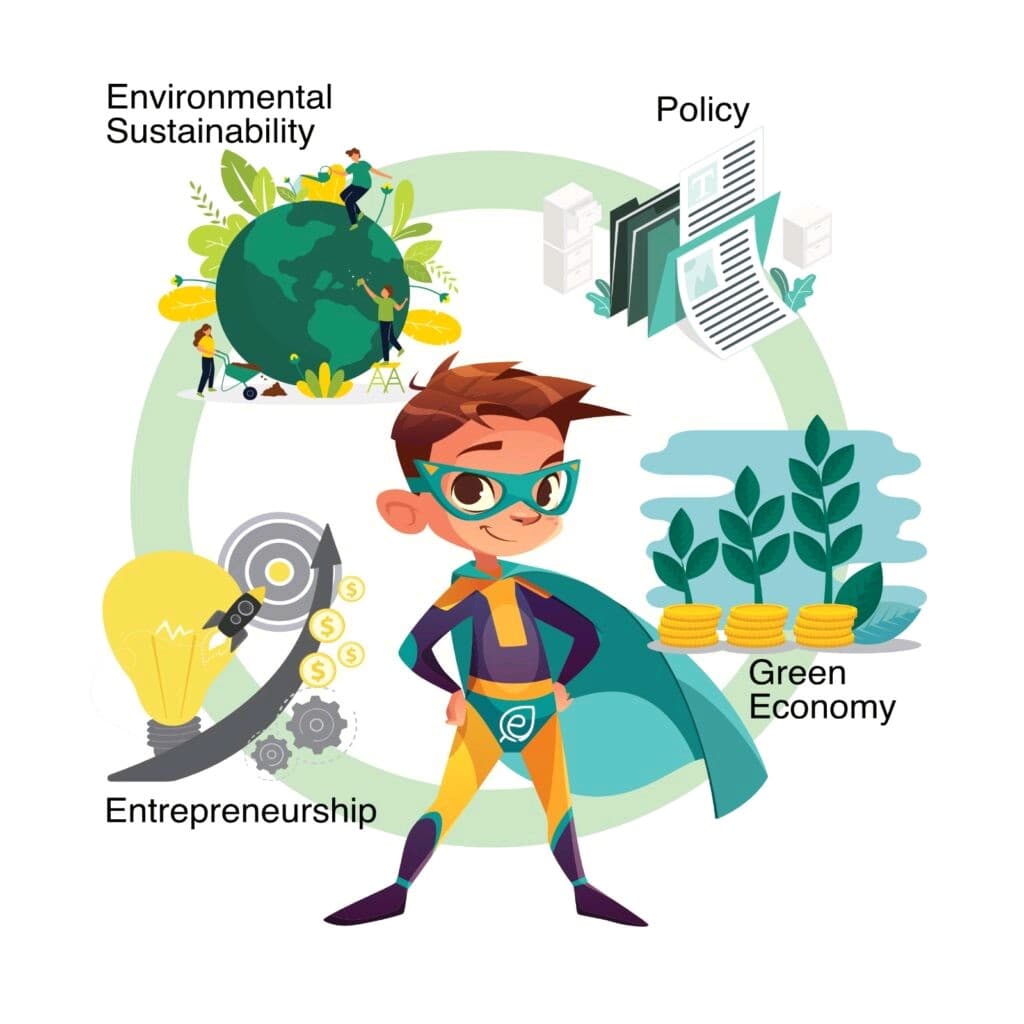
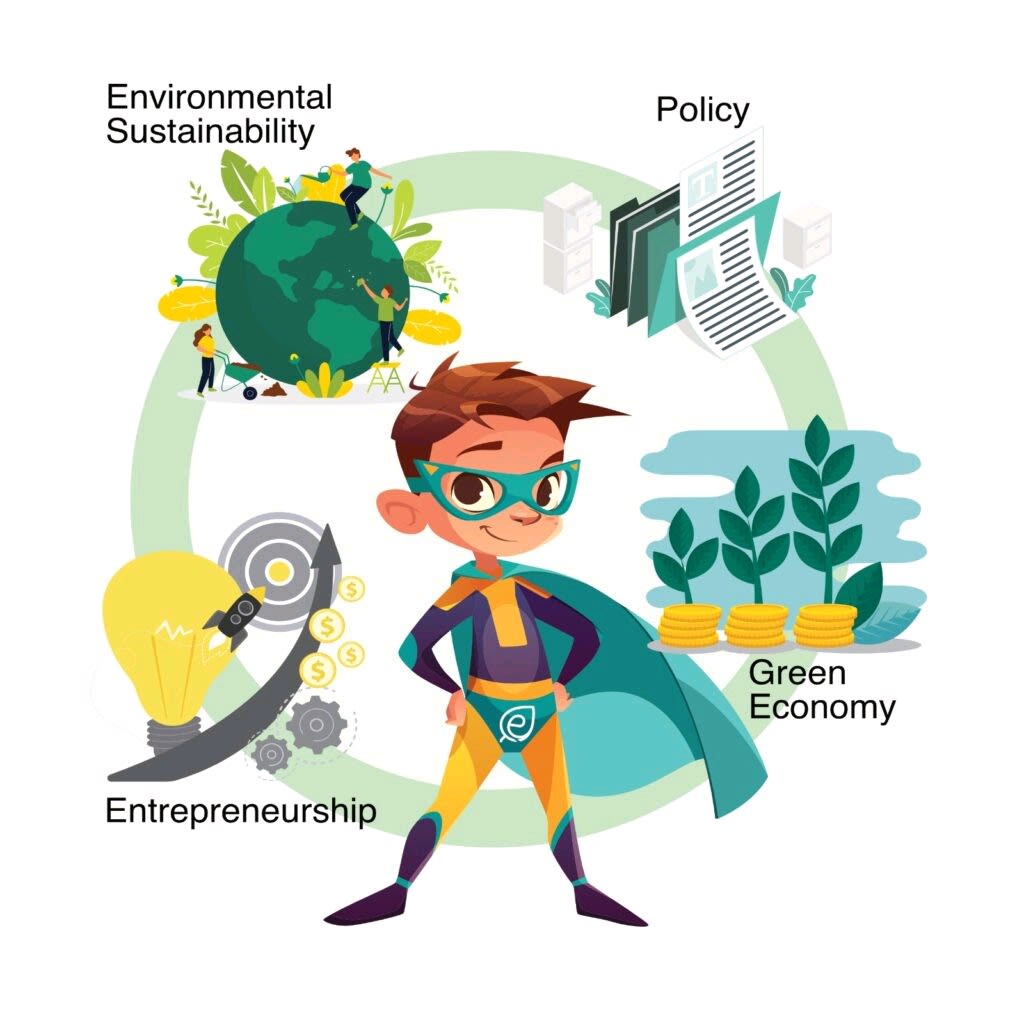
Development projects are often presented as neutral efforts to solve problems like poverty, inequality, or underdevelopment. However, anthropologist James Ferguson challenges this assumption through his concept of the Anti-Politics Machine. He argues that many social and economic issues are framed as purely technical problems, removing them from political debate. This process can make complex power relations appear invisible or irrelevant. Instead of addressing root causes such as inequality or governance, interventions focus on administrative solutions. As a result, development can expand bureaucratic systems without resolving underlying tensions. Critics suggest that this may reinforce existing power structures rather than challenge them. Supporters however, argue that technical approaches are necessary for efficiency and scalability. The debate raises fundamental questions about neutrality, power, and responsibility


RESEARCH LANE Flowers have long been associated with emotional expression, symbolic meaning, and psychological well-being. Across cultures, they are used to communicate feelings that words often cannot capture. Scientific research shows that flowers can positively influence mood, reduce stress, and enhance emotional connections. The colors of flowers play a particularly important role in shaping human perception and emotional response. For example, blue and white flowers are often perceived as calming, while warmer tones like red and yellow can feel energizing. Flowers are also linked to social bonding and can reduce feelings of isolation when given as gifts. Beyond aesthetics, scents and natural environments involving flowers can influence both psychological and physiological states. This survey explores how individuals perceive, interact with, and emotionally respond to flowers. It aims to uncover patterns in emotional associations, preferences, and behavioral reactions.


結果を確認しますか?
無料アカウントを作成して、結果をアンロックしましょう。
匿名ユーザー
人気の回答
結果を確認しますか?
無料アカウントを作成して、結果をアンロックしましょう。
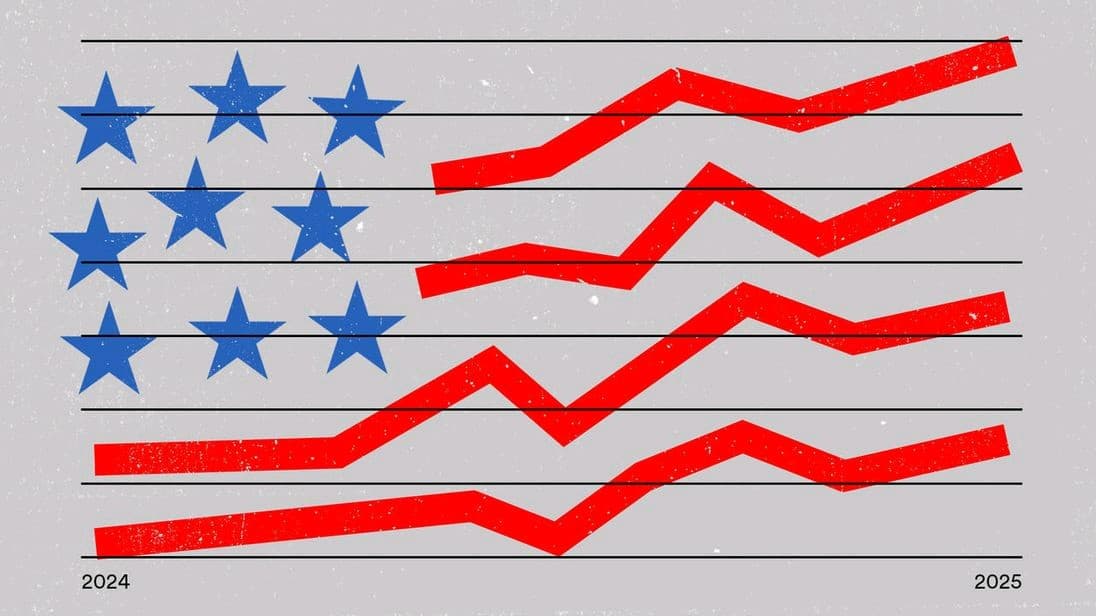
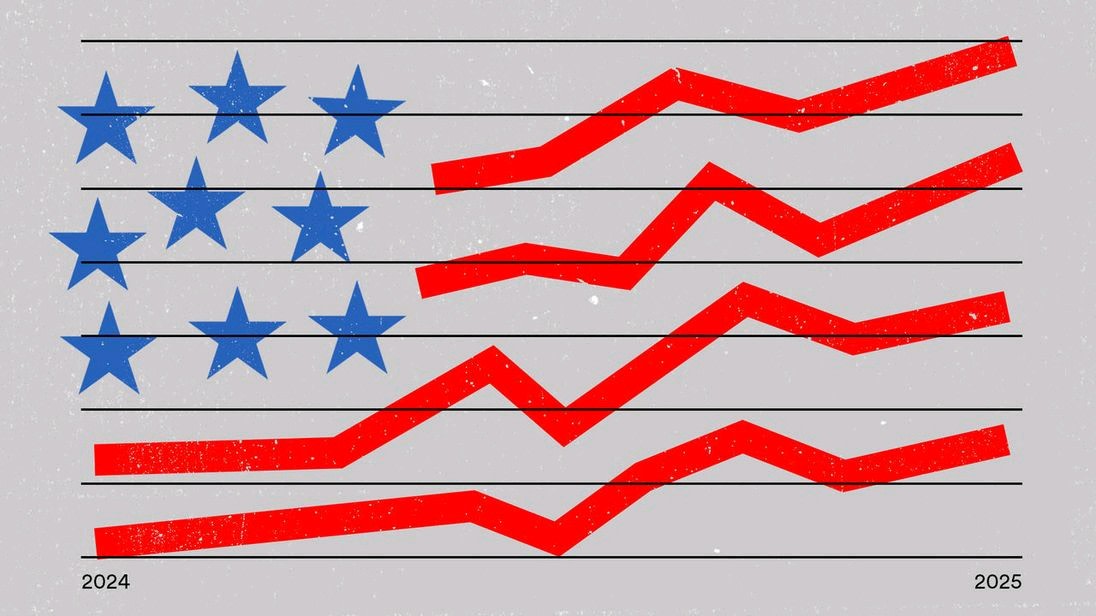
The United States economy is entering a period shaped by rapid technological change, evolving global trade dynamics, and shifting domestic policies. Inflation trends, interest rates, and labor market conditions continue to influence both businesses and households. At the same time, innovation in areas such as artificial intelligence, energy, and manufacturing is redefining productivity. Government spending and regulatory decisions are playing an increasingly visible role in economic direction. Consumer behavior is also changing, with new priorities around savings, spending, and financial security. Global geopolitical developments add further uncertainty to economic forecasting. Understanding public expectations about these factors provides insight into how people perceive the near future of the U.S. economy.