The 2026 FIFA World Cup is beginning with matches hosted across North America. The tournament is expected to attract global audiences and major economic activity. Cities across the United States are preparing for large numbers of visitors. Businesses and sponsors anticipate significant commercial benefits. Sports fans are eager to see how the expanded tournament format performs.
The U.S. House has approved additional aid measures related to Ukraine and sanctions targeting Russia. The issue remains one of the most debated areas of U.S. foreign policy. Supporters argue continued assistance strengthens international security. Critics question long-term costs and strategic priorities. Public opinion remains divided on future levels of involvement.
Recent labor market data showed continued job creation and relatively stable unemployment levels. Economic performance remains one of the most important issues for American voters. Policymakers continue debating interest rates, inflation, and economic growth strategies. Different groups interpret the latest figures in different ways. The economy is expected to remain a central topic throughout the year.
Reports indicate that major AI companies may pursue public listings in the future. Interest in artificial intelligence continues to grow across industries and among investors. Many believe AI could transform productivity, healthcare, education, and entertainment. Others remain concerned about regulation, employment impacts, and ethical issues. The discussion reflects the growing importance of AI in daily life.
Financial markets are closely watching the anticipated public listing of SpaceX. The company is expected to become one of the most valuable publicly traded firms in the world. Investors view the event as a major milestone for the commercial space industry. The IPO could also influence future listings by other major technology companies. Interest extends beyond finance to the broader future of space exploration.
The Supreme Court recently allowed Alabama to use a congressional map that has generated significant political controversy. The case centers on voting rights, representation, and redistricting standards. Supporters argue states should have greater control over drawing districts. Critics worry about the impact on minority representation. The ruling is expected to influence future election-related legal battles.
Discussions about public trust in institutions remain prominent in American political discourse. Questions surrounding public health, media, government agencies, and political leadership continue to influence voter attitudes. Surveys show trust levels vary significantly across demographic and political groups. Many observers see institutional trust as a key issue for the country's future stability. The debate affects everything from elections to public policy implementation.
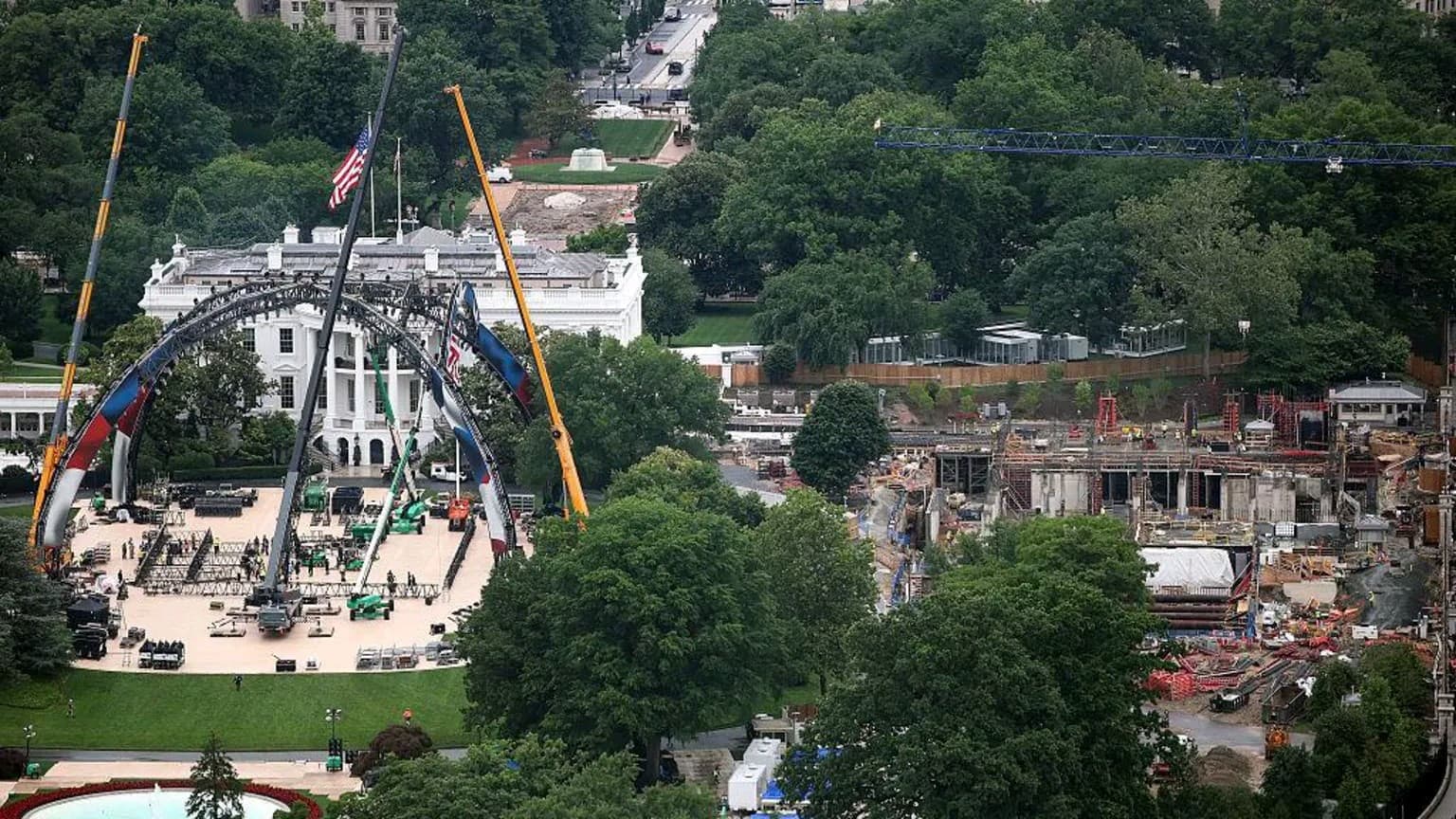
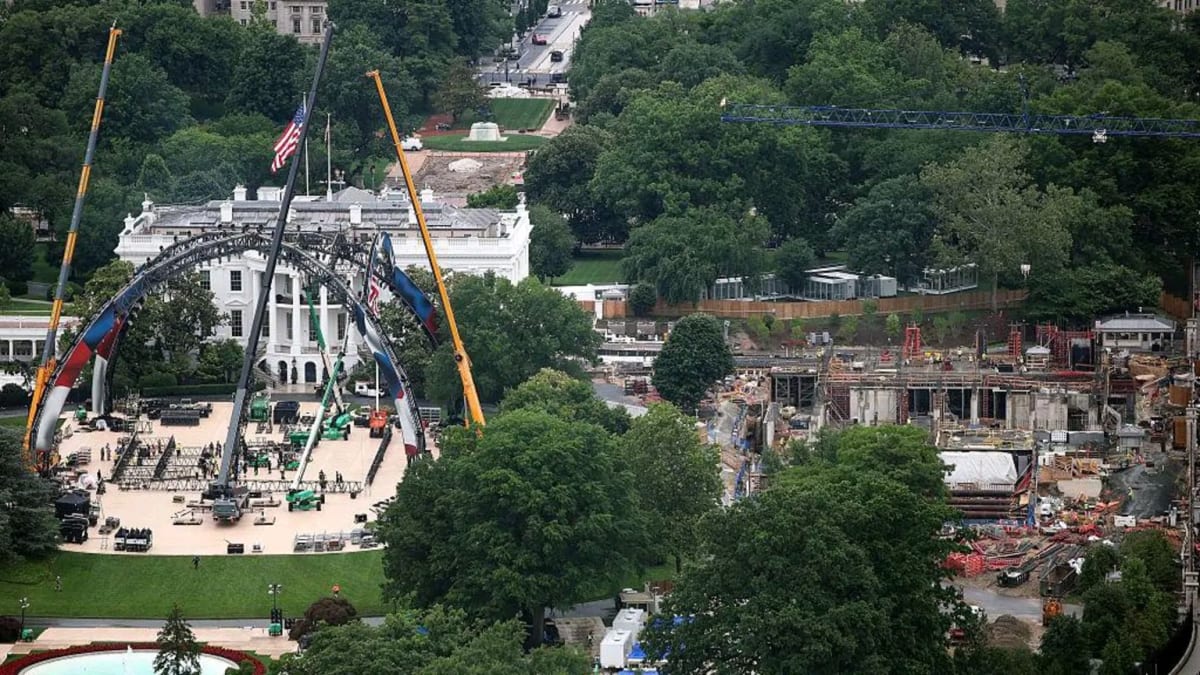
A federal appeals court is reviewing legal challenges related to a proposed large ballroom project at the White House complex. The project has generated debate over presidential authority, historic preservation, and federal spending priorities. Supporters view it as a modernization effort. Opponents argue that historic sites should be protected from major structural changes. The controversy has become a broader discussion about how presidents shape national symbols
The U.S. Supreme Court issued decisions supporting the authority of federal agencies including the FCC and SEC. The rulings preserved important enforcement powers that had faced legal challenges. Many legal analysts see the decisions as significant for the future of federal regulation. Businesses and investors are closely watching how these rulings affect compliance and oversight. The decisions also contribute to broader debates about the role of government agencies in the economy.
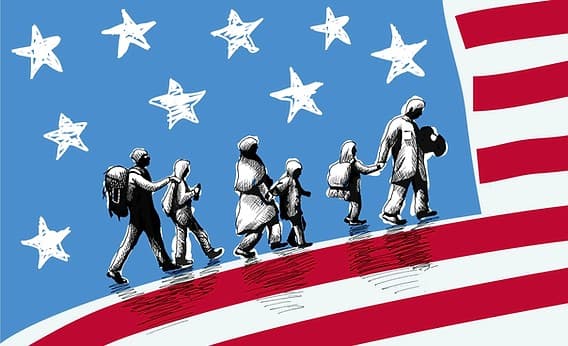
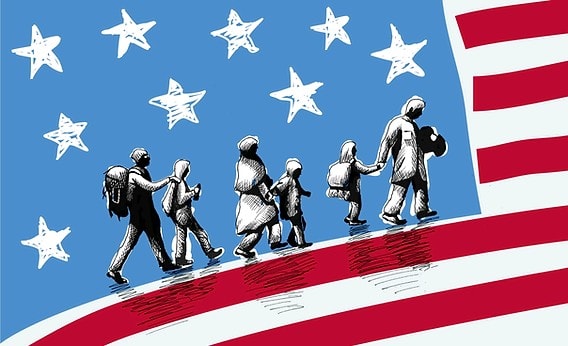
The U.S. Senate has narrowly approved legislation allocating approximately $70 billion for immigration enforcement and border security measures. The proposal is one of the largest immigration-related spending packages in recent years. Supporters argue that stronger enforcement is necessary to manage migration flows and national security concerns. Critics question the cost, effectiveness, and humanitarian implications of the policy. The debate has intensified divisions between supporters of stricter border controls and advocates of immigration reform.