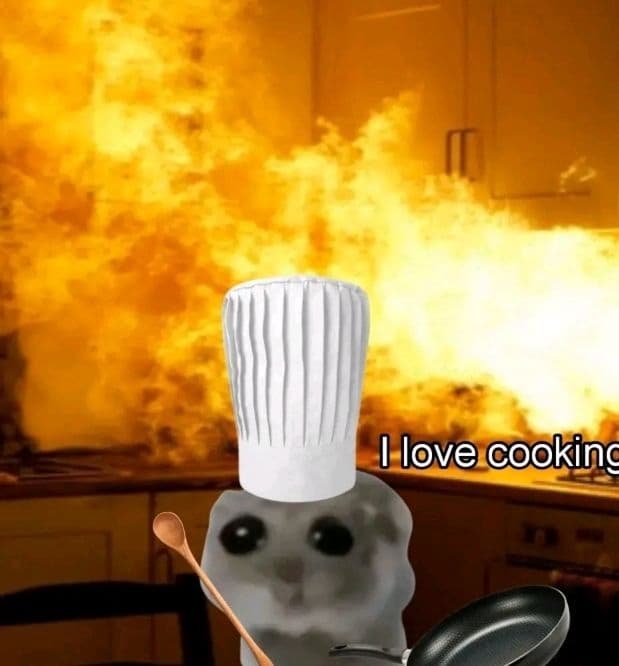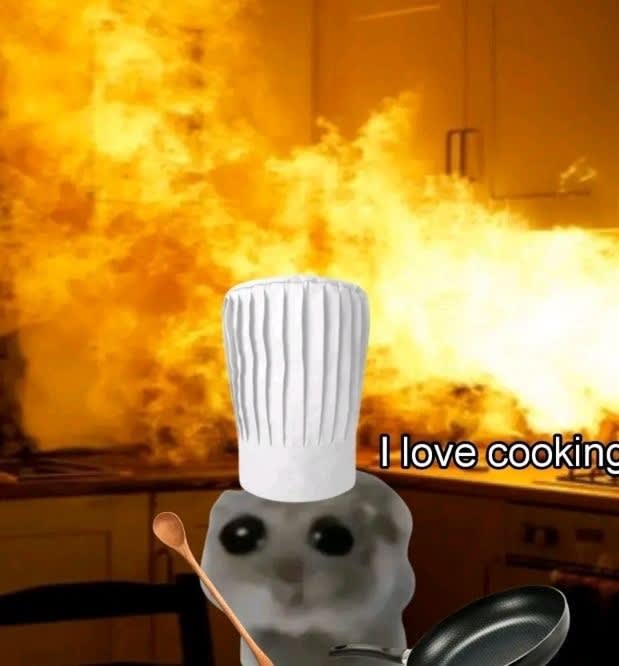

This joke plays on ongoing political division in U.S. politics and the frequent hyperbole around “bipartisan solutions.” It satirizes the idea that efforts to fix political polarization or restart cooperation often backfire or make things worse instead of better, reflecting public frustration with legislative gridlock and extreme partisan reactions. The humor comes from exaggerating the failure of political compromise — what should heal the system instead inadvertently breaks it again. A recent incident involving President Donald Trump posting and defending a racist video featuring images of Barack and Michelle Obama sparked widespread bipartisan condemnation and highlighted political discord even within the Republican Party itself. Both major parties criticized the controversy, underscoring the sharp polarization in U.S. political discourse today.
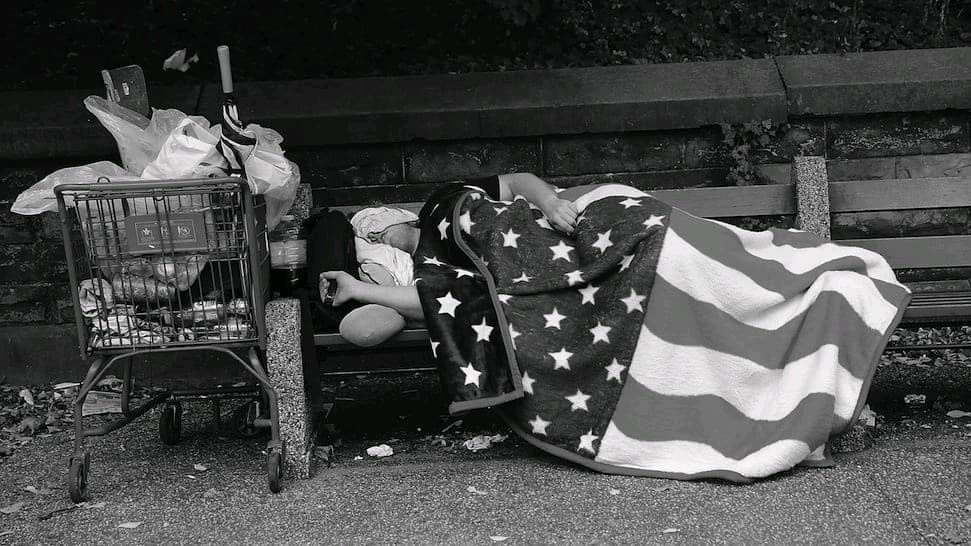
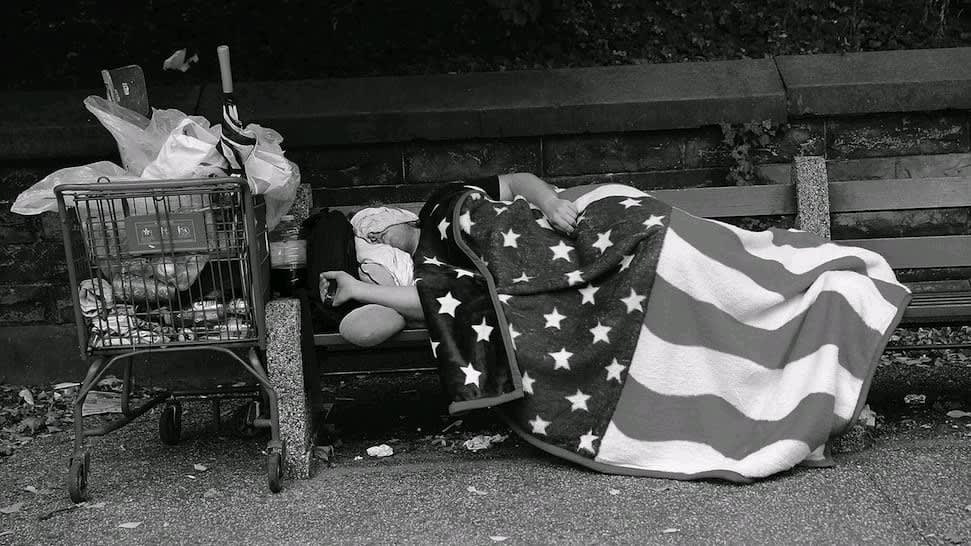
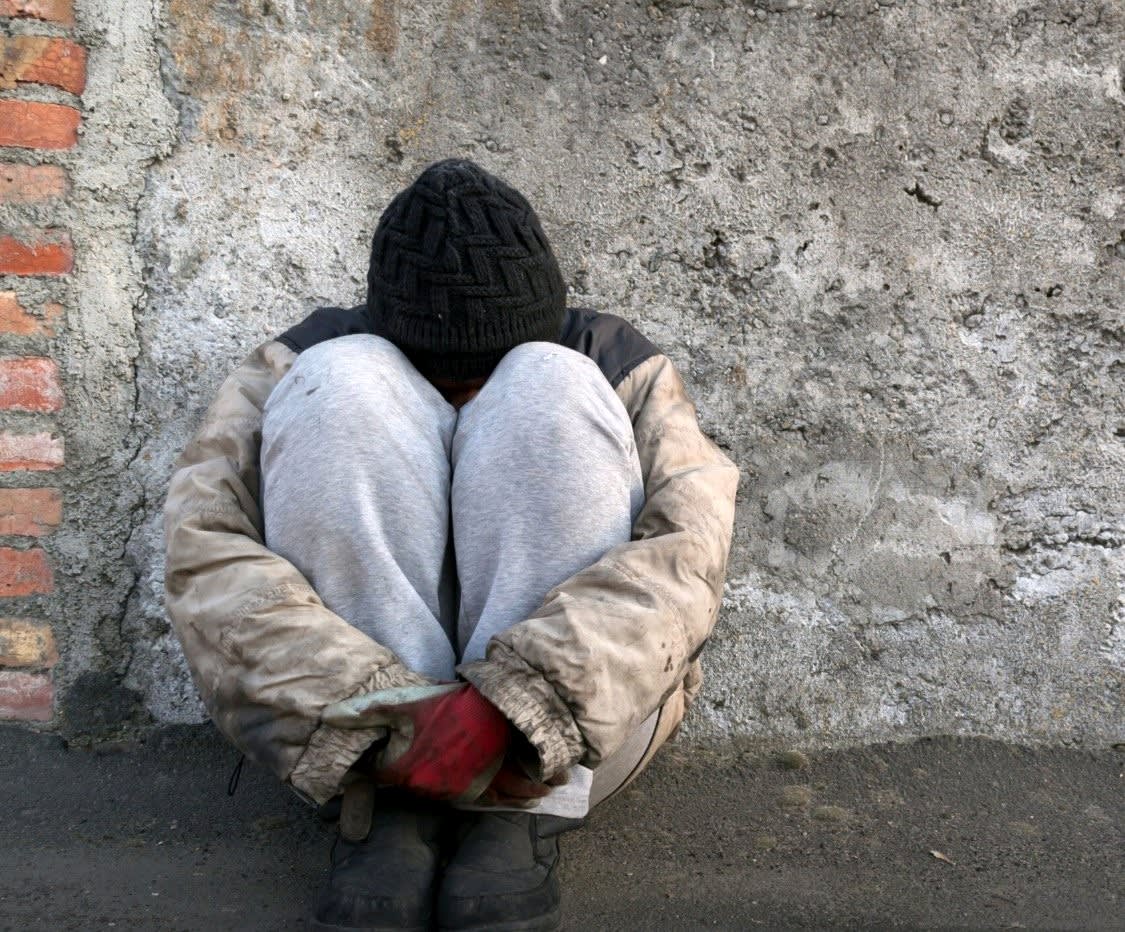
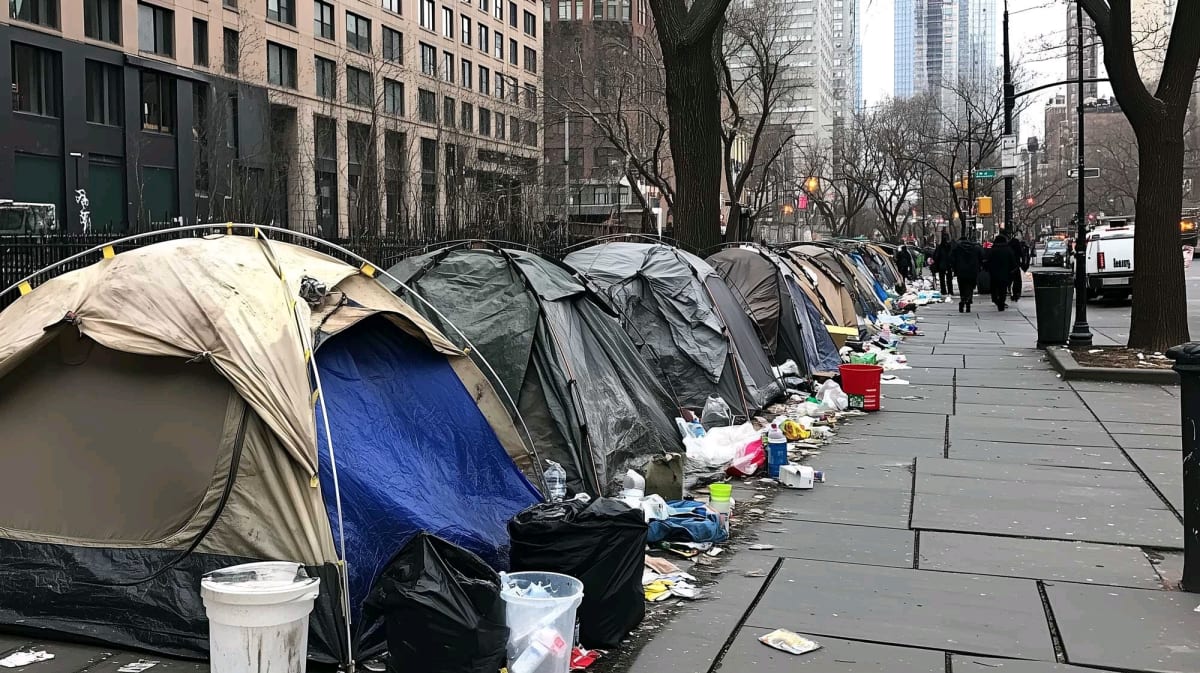
Rising living costs in many U.S. cities have contributed to growing homelessness, affecting both employed and unemployed individuals. These social problems highlight questions about adequacy of government safety nets and assistance programs. Public opinion on government intervention often reflects broader attitudes toward social welfare priorities. This question helps evaluate support for policy reforms or increased resources.
Perceptions of policing effectiveness are shaped by both local incidents and broader national reporting. Some communities express confidence in law enforcement, while others see gaps in response or prevention. Views on police performance often impact support for criminal justice reform or increased funding. Understanding these views can inform debates about public safety strategies.
Reports of hate crimes against religious groups, including anti-Muslim and antisemitic attacks, have raised serious concerns. High-profile bias incidents illustrate both physical and psychological threats to religious minorities. Perception of adequate protection relates to trust in law enforcement and social unity. Responses indicate how supported people feel those communities are by society and policy.
Public trust in the media influences how people interpret crises, policy debates and social trends. Coverage of climate, crime and religious discrimination varies across outlets, affecting perceptions of reliability. People’s level of trust shapes their engagement with news and civic participation. This question assesses confidence in information sources about complex societal topics.